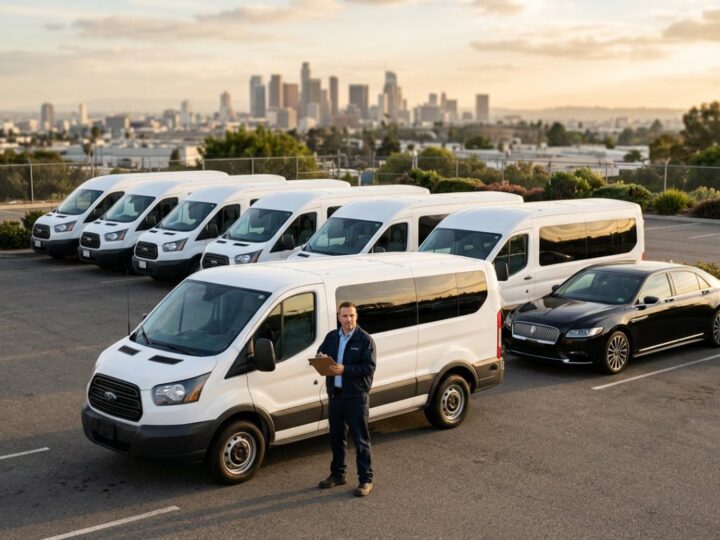


Passenger transportation insurance is rarely a single policy. It’s a program—usually several policies working together—and what belongs in it depends on the vehicles you run, the people you carry, the drivers you employ, the territory you cover, and the contracts you’ve signed.
This article walks through the coverages that shuttle and charter businesses use most often and how to decide which ones apply to your operation. Requirements vary by state and by contract, so treat it as an introduction, not data.
Key Takeaways
- In passenger transportation, one accident can cause many injury claims. That’s the biggest difference between passenger transportation insurance and other commercial auto insurance.
- There’s no all-inclusive, standard passenger transportation policy. You’ll end up combining commercial auto liability, physical damage, general liability, and/or workers’ compensation, with other supplemental coverages as needed.
- Liability limits should be set against your passenger capacity, territory, and contracts.
- Transportation contracts with airports, hotels, schools, and municipalities often specify limits, additional insured status, and certificates. Read those terms before signing.
- Adding vehicles, routes, drivers, or interstate service changes the risk, and you need to talk to your agent about those changes when they happen and again at renewal.
Why Shuttle and Charter Businesses Have Unique Insurance Risks
The financial risk of accidents—and therefore your minimum insurance level—scales with the number of seats. That alone makes passenger operations different from practically every other kind of commercial driving.
Shuttle and charter jobs aren’t the same as each other. Shuttle operations run recurring service on known routes: airport runs, hotel loops, senior transportation, etc. Charter operations are pre-arranged group trips, often longer and often to places the driver hasn’t been before, with the vehicle and the group staying together for hours.
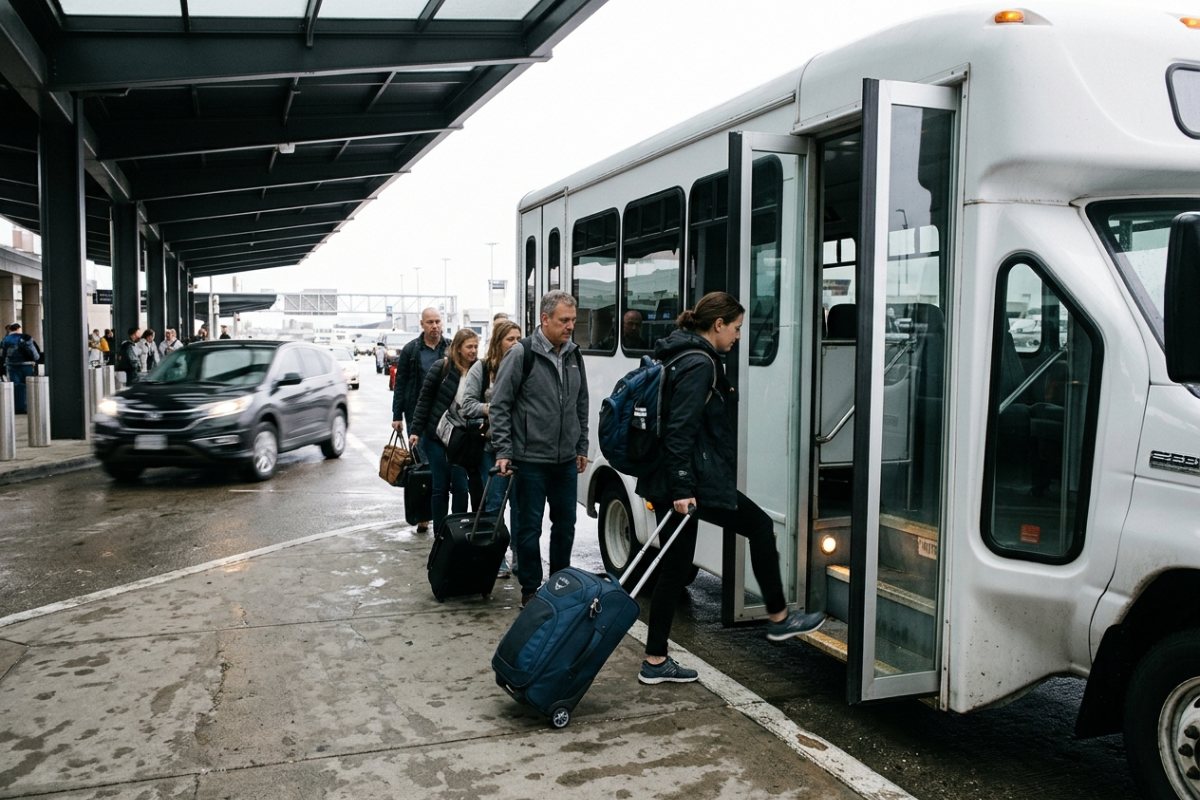
Both get underwritten based on their specifics: passenger capacity, vehicle type, trip frequency, operating territory, interstate travel, driver qualifications, and contract obligations.
| Consideration | Shuttle | Charter |
|---|---|---|
| Typical service | Recurring or scheduled transportation | Pre-arranged group transportation |
| Routes | Predictable/recurring | Varies |
| Passenger patterns | Predictable/recurring | Varies (groups, organizations, tourists, event attendees) |
| Operational considerations | Frequency, schedules, passenger turnover | Trip distance, destination, group size |
| Insurance assessment | Based on actual fleet and operating model | Based on fleet, trips, contracts, and operating profile |
What Insurance Coverage Do Shuttle and Charter Businesses Need?
Below are the coverages most passenger transportation insurance programs are built from. Not every business needs all of them. A two-van operation with one or two employees needs a different program from a twenty-bus company with a yard, a dispatch team, and municipal contracts.
Important: Whether something is covered depends on policy language, state law, the insurer’s underwriting, and the circumstances. Below are descriptions of what the coverages generally do, not a reading of your policy. Also, if the terminology is new, check out our glossary of insurance terms.
| Coverage | What It Covers |
|---|---|
| Commercial Auto Liability | Third-party bodily injury and property damage arising from covered vehicle use |
| Physical Damage | Damage to the company’s own covered vehicles, including collision and other covered causes of loss |
| Uninsured/Underinsured Motorist | Certain losses caused by motorists who carry no insurance or too little of it |
| General Liability | Certain non-auto third-party liability exposures arising outside vehicle operation |
| Workers’ Compensation | Covered employee injuries arising from employment |
| Business Property | Covered damage to eligible business property, such as offices and equipment |
| Umbrella/Excess Liability | Additional liability limits above the underlying policies, for higher-severity claims |
Commercial Auto Liability for Passenger Transportation
Commercial auto liability is the foundation of any company’s insurance program in this space. Generally, it covers bodily injury and property damage you cause others through covered use of your vehicles—the other driver in a collision, a pedestrian, the owner of a fence your bus clips on a tight turn.
Don’t treat your commercial auto insurance as a compliance test. That is, don’t just choose the cheapest policy because it’s the cheapest. You know the risks of a passenger transportation business; this is your chance to respond appropriately to them.
Physical Damage Coverage for Shuttle and Charter Vehicles
Liability coverage pays other people. Physical damage pays you. It’s the part of passenger vehicle insurance that repairs or replaces your own buses and vans after a covered loss, and it decides whether a totaled motor coach is a tough setback or the end of your company.
Typical causes of loss include collision, theft, vandalism, fire, and weather, depending on how the policy is written. The decision of whether to pay for physical damage coverage usually comes down to your vehicles. A fifteen-year-old van with a low book value may not justify the premium. A financed motor coach probably carries a lender requirement.
General Liability Beyond the Vehicle
Not every claim against a transportation company is about transportation. A passenger can slip on ice in your pickup area, or trip in your office.
Commercial auto coverage is about automobiles, so claims that don’t involve them aren’t covered. General liability is written for them; it covers certain third-party injury and property damage claims arising from your premises and business operations that aren’t driving.
Workers’ Compensation and Employee-Related Risks
Passenger and vehicle liability protect the public. Workers’ compensation covers your own people.
A transportation company’s workforce creates a wide range of exposures. Drivers face collisions, lifting injuries, and passenger-assist strains. Mechanics work around lifts and heavy components. Cleaners handle chemicals. Dispatchers and office staff carry ordinary workplace exposures.
Two other things to settle. Independent contractor drivers don’t automatically fall outside the requirement; states apply their own tests, and getting the classification wrong is expensive. And employee claims aren’t all injuries. Hiring, discipline, and termination disputes fall under employment practices liability instead, which is a separate policy.
Additional Insurance Coverages to Consider
Beyond the core policies, a program can pick up coverages that match how the business runs. These are risk-management options rather than requirements. Relevance depends on what you own, who you employ, what data you handle, and which vehicles you use but don’t title.
| Potential Coverage | When It May Be Relevant |
|---|---|
| Inland Marine | When qualifying equipment is transported or used away from a fixed location |
| Cyber Liability | When the business handles customer, payment, employee, or operational data |
| Employment Practices Liability | When employment-related claims are a material business concern |
| Hired & Non-Owned Auto | When qualifying vehicles are hired, rented, or used for business |
| Other Specialized Coverage | When the business has unique equipment or operational exposures |
Passenger Liability: Protecting the People You Transport
This is the exposure that defines the industry. Your passengers are in your vehicle, in your care, for the length of the trip, and a claim can come from a collision, a fall during boarding, a sudden stop, or an injury involving a lift or securement system.
Your number of exposures per trip is what sets the passenger transportation business apart. A delivery truck accident produces one claimant; a shuttle accident can produce a dozen. Those dozen claims all draw on one liability limit, so the limit needs to be sufficiently high.
Because there are so many variables, choose your limit with an insurance professional who can look at your real passenger exposure rather than copying a figure quoted in some universal guideline.
Then reduce the risk: driver training, scheduled inspections, maintenance, documented boarding and securement procedures, and incident reporting done while details are fresh. All of those best practices make it less likely that you’ll need to file a claim.
How Fleet Type Affects Passenger Transportation Insurance
The vehicles you operate shape underwriting, physical damage exposure, and liability all at once. Shuttle insurance for a 14-passenger van and charter vehicle insurance for a 56-seat motor coach are priced on different assumptions.
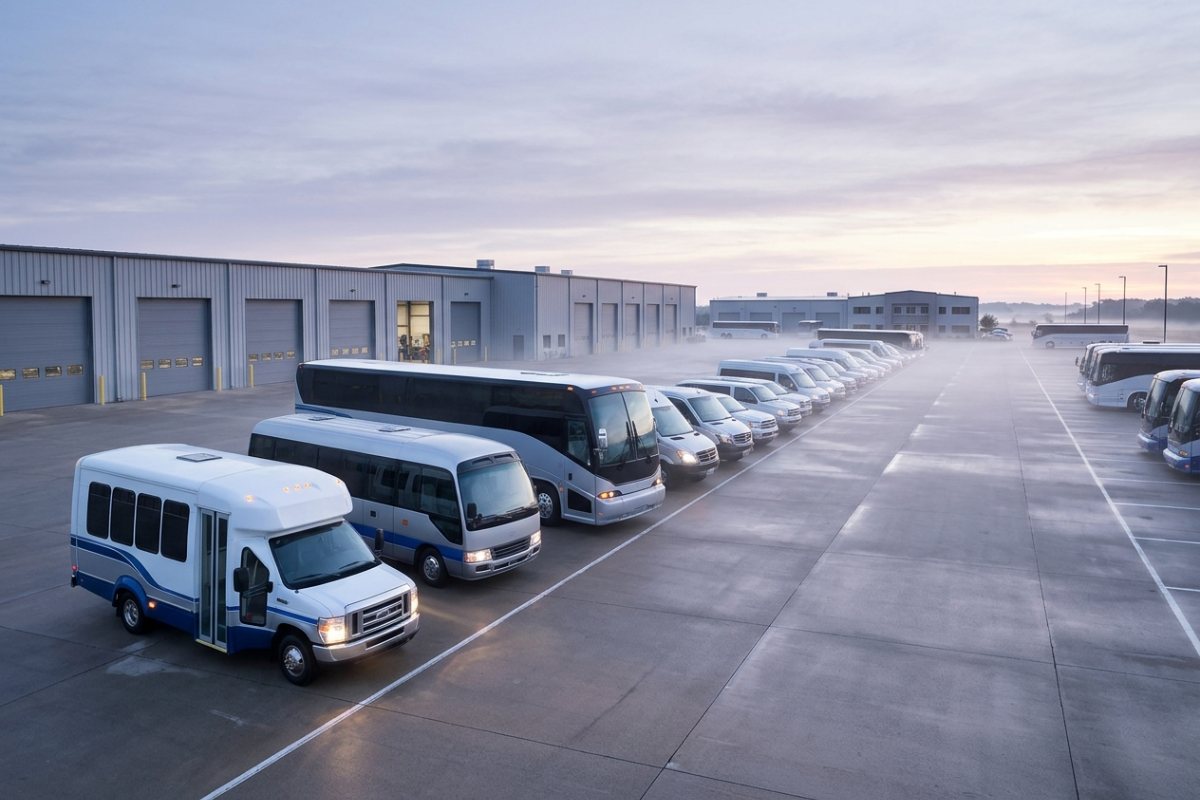
Passenger vans are the entry point: lower values, smaller passenger counts, usually a small driver roster. Shuttle buses and minibuses raise both capacity and replacement cost. Motor coaches carry the most people the farthest, which affects liability and physical damage. Specialty vehicles with lifts, ramps, or custom interiors bring equipment considerations of their own.
How Driver Practices Affect Insurance Risk
Underwriters look at your drivers closely, because drivers are where passenger risk starts. Qualifications, years of commercial experience, driving records, training, and your hiring standards all feed the assessment.

Documentation is what turns good practices into smaller premiums. A written hiring standard, screening records, training dates, and a schedule for reviewing driving records all help carriers charge you less.
They help. They don’t guarantee. No specific practice guarantees a lower premium, and credits vary by insurer. Consistent driver policies improve the operation regardless, and they give your agent something concrete to present at renewal.
How Contracts Can Affect Your Insurance Requirements
Airports, hotels, corporate clients, school districts, municipalities, and event organizers rarely sign a transportation agreement without insurance terms attached. Those terms can require more than your state does.
Common requirements include minimum liability limits, naming the client as an additional insured, delivering a certificate of insurance before service starts, and indemnification language that shifts certain risks to you. Each one has a cost and a coverage implication, so make sure you’re clear on the terms before you sign.
How to Determine the Right Insurance Program for Your Business
Start with the operation, not a list of policies. A program assembled from a generic checklist tends to include coverage you don’t need and miss coverage you do.
| Business Question | What It Affects |
|---|---|
| What passengers do you transport? | Helps define passenger-related exposure |
| What vehicles do you operate? | Determines fleet and vehicle considerations |
| Where do you operate? | Territory and routes affect risk |
| How many drivers do you have? | Influences driver and employee exposures |
| Do you cross state lines? | May create additional regulatory considerations |
| Do you have transportation contracts? | Contracts may specify insurance requirements |
| Do you own business property? | May create property coverage needs |
| What is your loss history? | Insurers may consider prior claims experience |
Common Passenger Transportation Insurance Mistakes
The costliest mistake is describing the business inaccurately to the insurer. Passenger transportation written as ordinary commercial auto use, an out-of-date vehicle schedule, a new service line that you don’t mention to your carrier. Each produces a policy priced for the wrong company.
Other mistakes follow a pattern. Liability limits chosen years ago and never revisited against current capacity. Supplemental exposures nobody looked at, like hired and non-owned auto when drivers use their own cars. Contract requirements accepted without checking them against the policy in force.
How to Review Your Insurance Before Renewal
A renewal review compares the program you have against the business you’re running now. Pull the fleet list, your services, employee roster, routes, passenger capacity, active contracts, and loss history, then read the policy against them.
The checklist is short: vehicle schedules, driver information, mileage and radius, passenger capacity, claims history, coverage limits, and endorsements. Confirm each one still describes the operation.
Then tell your agent what’s changed. Adding vehicles, changing routes, expanding services, hiring drivers, starting interstate operations, or signing a new contract can each affect coverage, and none of them update the policy on their own. Raise them before renewal rather than assuming the policy absorbs them.
Why Specialized Transportation Insurance Expertise Matters
An agency that writes general commercial auto sees a bus as a large vehicle. An agency that writes passenger transportation sees seating capacity, boarding procedures, contract requirements, driver files, and which carriers want the account.
We place coverage for passenger operations across the United States, including shuttle, charter, and livery services, and we shop multiple carriers. What a given carrier will offer depends on the account, so we don’t promise rates or outcomes before we have all the needed information.
Conclusion
Passenger transportation insurance coverage should cover the business you run: commercial auto liability sized to your real passenger exposure, physical damage that reflects your fleet, general liability for what happens off the road, workers’ compensation for your people, supplemental coverages where they apply, limits that satisfy your contracts, and risk management that lowers the odds of needing any of it.
If you run shuttle or charter vehicles and you’re not certain your program matches your operation, tell us about your business and we’ll review what you’re carrying against what you’re doing.
FAQs
Is passenger transportation insurance required for every shuttle business?
Some form of commercial coverage is required for any business carrying passengers for compensation. The specifics come from your state and, for interstate service, from federal rules tied to seating capacity, with contracts adding requirements on top. A personal auto policy generally excludes carrying passengers for pay, so it isn’t an option here.
What factors affect the cost of shuttle bus insurance?
Passenger capacity, vehicle value and age, how many buses and drivers you have, driving records, annual mileage, operating territory, claims history, and the limits and deductibles you choose. Two operators with identical buses can pay very different premiums on loss history and territory alone.
Does passenger transportation insurance cover charter bus passengers?
Injuries to passengers are generally addressed through the liability side of a commercial auto policy written for passenger transportation. Coverage of any particular incident depends on the policy terms, so charter operators should confirm their limits reflect full-vehicle group trips rather than an average load.
Can one policy cover an entire shuttle or charter fleet?
A single commercial auto policy can schedule multiple vehicles, so you don’t need one policy per bus. The full program still involves more than one policy, since general liability, workers’ compensation, and property coverage are written separately from auto.
What information does an insurer need to quote passenger transportation insurance?
A vehicle list with years, makes, models, values, and seating capacity; a driver list with license numbers and dates of birth; annual mileage and operating radius; a description of your services; three to five years of loss history; and any contract insurance requirements. Having it ready shortens the quoting process.