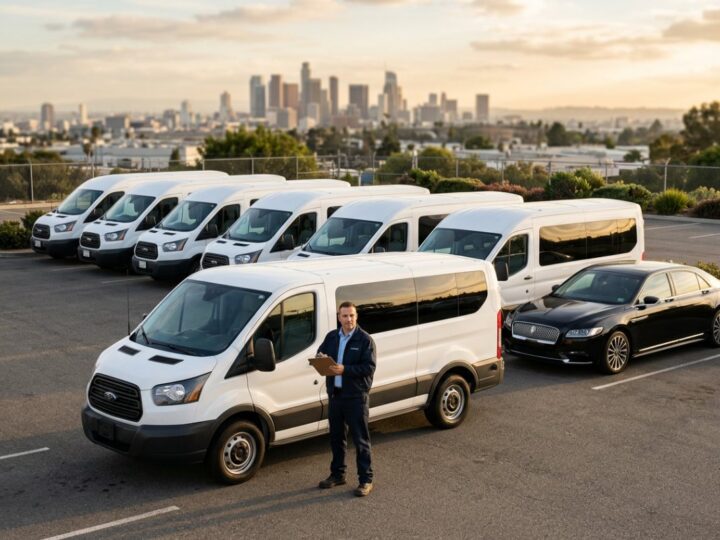

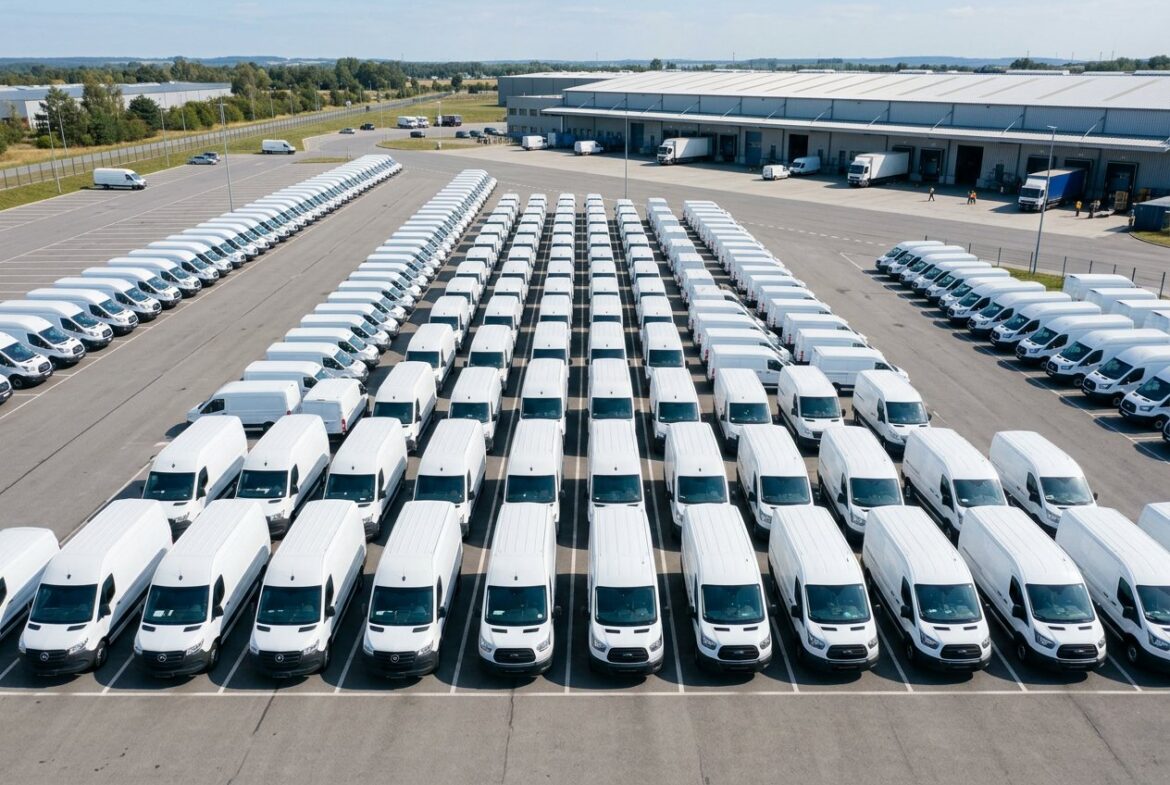
A transportation business that starts with one van or one taxi often ends up managing five, ten, or twenty vehicles within a few years. At some point, the insurance approach that worked at the start stops working, and owners have to decide between individual vehicle insurance covering each vehicle separately or fleet insurance covering the whole group under one policy.
That decision affects more than the monthly premium. It shapes how much paperwork you handle, how easily you can add a vehicle when business picks up, and how exposed you are if a claim hits multiple vehicles at once. Working with a broker that provides commercial transportation insurance can help you weigh these factors against your specific vehicle count and growth plans.
This guide compares the two structures side by side: what each one covers, what it costs, and which tends to fit a growing taxi, limousine, NEMT, or shuttle operation better than the other.
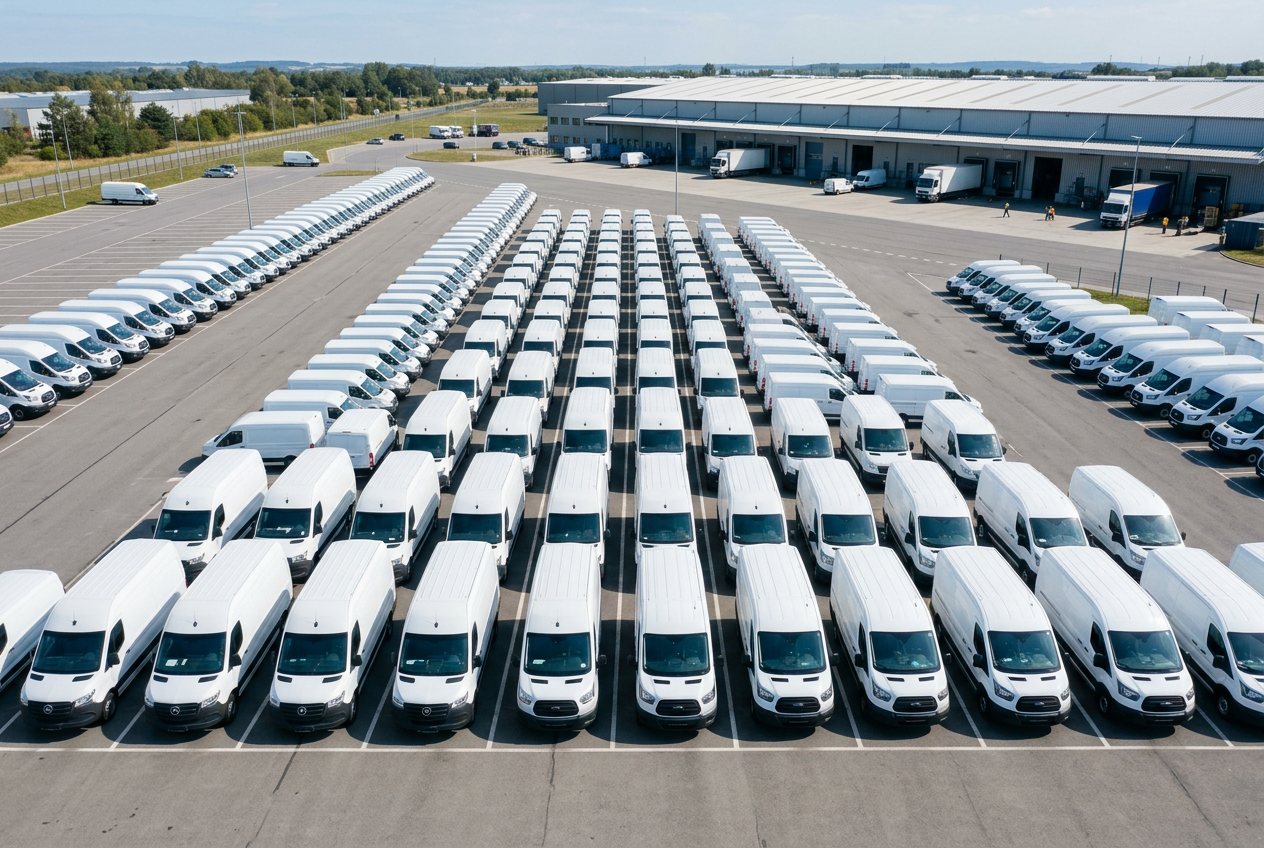
Key Takeaways
- One structure combines multiple vehicles under a single commercial policy; the other keeps each vehicle on its own policy.
- Many insurers set a minimum of three to five vehicles before writing a fleet policy, so very small operations typically stay on individual coverage.
- Combining vehicles under one policy tends to reduce paperwork and simplify renewals as a transportation business adds vehicles.
- Individual vehicle insurance can fit startups with one or two vehicles, or fleets where each vehicle serves a very different purpose.
- Neither option is automatically cheaper: pricing depends on fleet size, driver history, vehicle types, and claims history rather than policy type alone.
- Both structures cover the same things; the real difference is how that coverage is structured, priced, and managed.
What Is Fleet Insurance?
Fleet insurance is a single insurance policy that covers multiple vehicles owned or operated by the same business. Instead of managing a separate policy for every van, taxi, livery vehicle, or shuttle bus, the business carries one policy with one set of terms, one renewal date, and one bill.

Eligibility for this kind of policy varies by insurer. Some carriers have a minimum vehicle count before they’ll write a policy like this. Others base eligibility on business type, driver history, or how the vehicles are used. The main appeal is that adding a new vehicle to an existing fleet policy is far simpler than opening a whole new, single-vehicle policy from scratch.
What Is Individual Vehicle Insurance for Businesses?
Individual vehicle insurance, sometimes called business vehicle insurance, means each commercial vehicle carries its own policy, with its own premium, renewal date, and coverage terms. A taxi company running three cars under individual policies might renew each one on a different schedule, at a different rate, and sometimes through different carriers.
It can make sense to do it this way in the beginning. A new NEMT provider running one van doesn’t need the infrastructure of a big fleet policy. Industry guides describe this per-vehicle approach as a standard business auto policy, distinct from the specialized fleet form used for larger operations, and it gives owners more control over coverage limits if their vehicles serve very different purposes.
But when you use the single-vehicle approach, every additional vehicle means another policy to track, another renewal date to remember, and another point where a lapse in coverage can go unnoticed until a claim exposes it.
Fleet Insurance vs Individual Vehicle Insurance
The table below breaks down the practical differences between the two structures beyond what each one costs.
| Feature | Fleet Insurance | Individual Vehicle Insurance |
|---|---|---|
| Number of Policies | Single policy | Separate policy per vehicle |
| Administration | Simplified | More paperwork |
| Scalability | Easy to add vehicles | New policy for each vehicle |
| Premium Structure | Combined pricing | Individual pricing |
| Renewal Process | One renewal | Multiple renewals |
| Best For | Growing fleets | Small operations |
As a transportation business grows, the administrative side of insurance often becomes the deciding factor. A single combined policy can be easier to manage than five or ten separate ones, even when the total cost is similar.
Cost Comparison: Which Option Saves More?
| Cost Factor | Fleet Insurance | Individual Insurance |
|---|---|---|
| Administrative costs | Lower | Higher |
| Premium flexibility | Moderate | Higher per vehicle |
| Discounts | Often available | Limited |
| Long-term value | Better for larger fleets | Better for very small fleets |
| Expansion costs | Easier to manage | Increases with every vehicle |
Pricing for commercial fleet insurance and individual vehicle insurance depends on a mix of factors: fleet size, driver history, vehicle types, operating location, and claims history. Neither structure is automatically cheaper. A small operation with two low-mileage vehicles and a clean record might pay less under individual policies, while a growing fleet with several vehicles often sees more value from combined pricing and available discounts.
Rather than comparing premiums alone, it helps to look at total cost of ownership: administrative time, renewal complexity, and how costs scale as you add vehicles.
When Does Fleet Insurance Make Sense?
Growing Transportation Businesses
Businesses typically benefit from consolidating their coverage once they’re managing three or more vehicles, especially if they’re probably going to add more. At that point, the time saved on renewals and paperwork usually outweighs any difference in premium. One point of contact, one renewal date, and one set of policy documents make it easier to stay on top of coverage as vehicle counts increase.

Businesses Managing Multiple Drivers
Centralized coverage also simplifies driver management. Businesses with rotating drivers, where staff move between vehicles depending on the shift or route, benefit from a policy structure that covers the group rather than pairing specific drivers to specific vehicles.
This matters for taxi and shuttle operations especially, where driver assignments can change day to day. Investing in driver safety training can also reduce risk and, in some cases, support lower premiums over time.
When Individual Vehicle Insurance May Be the Better Choice
Individual vehicle insurance tends to fit startups running one or two commercial vehicles, where the overhead of a fleet policy doesn’t offer enough benefit yet.
It can also make sense when vehicles perform very different functions. A business running both a box truck for freight and a passenger van for NEMT trips may need coverage customized to each vehicle in a way that standard fleet insurance coverage isn’t meant to provide.
For businesses still evaluating future expansion, individual policies offer flexibility without committing to a structure built around a larger fleet.
Coverage Options Available Under Both Policies
| Coverage Type | Fleet Insurance | Individual Insurance |
|---|---|---|
| Liability Coverage | Yes | Yes |
| Collision Coverage | Yes | Yes |
| Comprehensive Coverage | Yes | Yes |
| Uninsured Motorist | Yes | Yes |
| Medical Payments | Yes | Yes |
| Physical Damage | Yes | Yes |
| Specialized Commercial Endorsements | Yes | Yes |
Both structures can include the same core coverages: liability, collision, comprehensive, uninsured motorist, medical payments, physical damage, and specialized commercial endorsements for equipment or passenger transport.
The real difference between the two isn’t what’s covered. It’s how that coverage is structured, priced, and managed across your vehicles.
Factors That Influence Insurance Premiums
Several factors shape insurance premiums regardless of which structure you choose: fleet size, vehicle value, operating radius, driver records, claims history, annual mileage, and business type. Meeting federal insurance requirements set by the FMCSA can also shape which coverage limits a for-hire operation needs to carry.
Business type comes into play too. A taxi company, a limousine service, an NEMT provider, and a shuttle operator can all carry different risk profiles even with a similar number of vehicles, based on passenger volume, trip length, and how the vehicles are used day to day.
Giving accurate business information during underwriting keeps your premium aligned with your actual risk. Underreporting mileage or misclassifying how a vehicle is used can lead to coverage disputes later, even if it lowers the quote upfront.
Common Mistakes Transportation Businesses Make When Choosing Insurance
The table below covers common missteps that transportation businesses make when choosing between these two structures, along with what tends to work better.
| Mistake | Potential Consequence | Better Approach |
|---|---|---|
| Choosing based only on price | Coverage gaps | Compare coverage and service |
| Underinsuring vehicles | Higher financial risk | Match coverage to operations |
| Delaying switch to fleet insurance | Administrative burden | Review coverage annually |
| Ignoring business growth | Frequent policy changes | Plan for future expansion |
| Working with non-specialist insurers | Inadequate commercial coverage | Choose transportation insurance experts |
Insurance needs change as a business grows, and a policy that fit two vehicles rarely fits ten without adjustment. It helps to review coverage annually rather than renew on autopilot, since that’s one of the simplest ways to catch a gap before it becomes a claim. Specialized transportation businesses, including NEMT fleets and livery services, often need more customized policies than a generalist insurer offers.
Questions to Ask Before Choosing Your Insurance Structure
Before choosing a structure, working through a few questions can clarify which option fits your transportation business insurance needs:
- How many vehicles do you operate now, and how many do you expect to add in the next year?
- Are your drivers assigned to specific vehicles, or do they rotate across the fleet?
- How often do you replace or add vehicles?
- Do you have the administrative capacity to manage multiple policies, or would one policy simplify operations?
- Are you comparing immediate premium costs, or the long-term efficiency of managing your coverage?
Insurance is one part of a broader risk management plan. The answers to these questions say as much about how your business operates as they do about which policy fits best.
How a Transportation Insurance Specialist Can Help
A broker that specializes in transportation fleet insurance understands things a general commercial agent often misses. A specialist can help you customize a policy to your actual operations, select carriers that understand transportation risk, and support you through a claim without the delays that come from working with an agent who handles transportation coverage only occasionally.
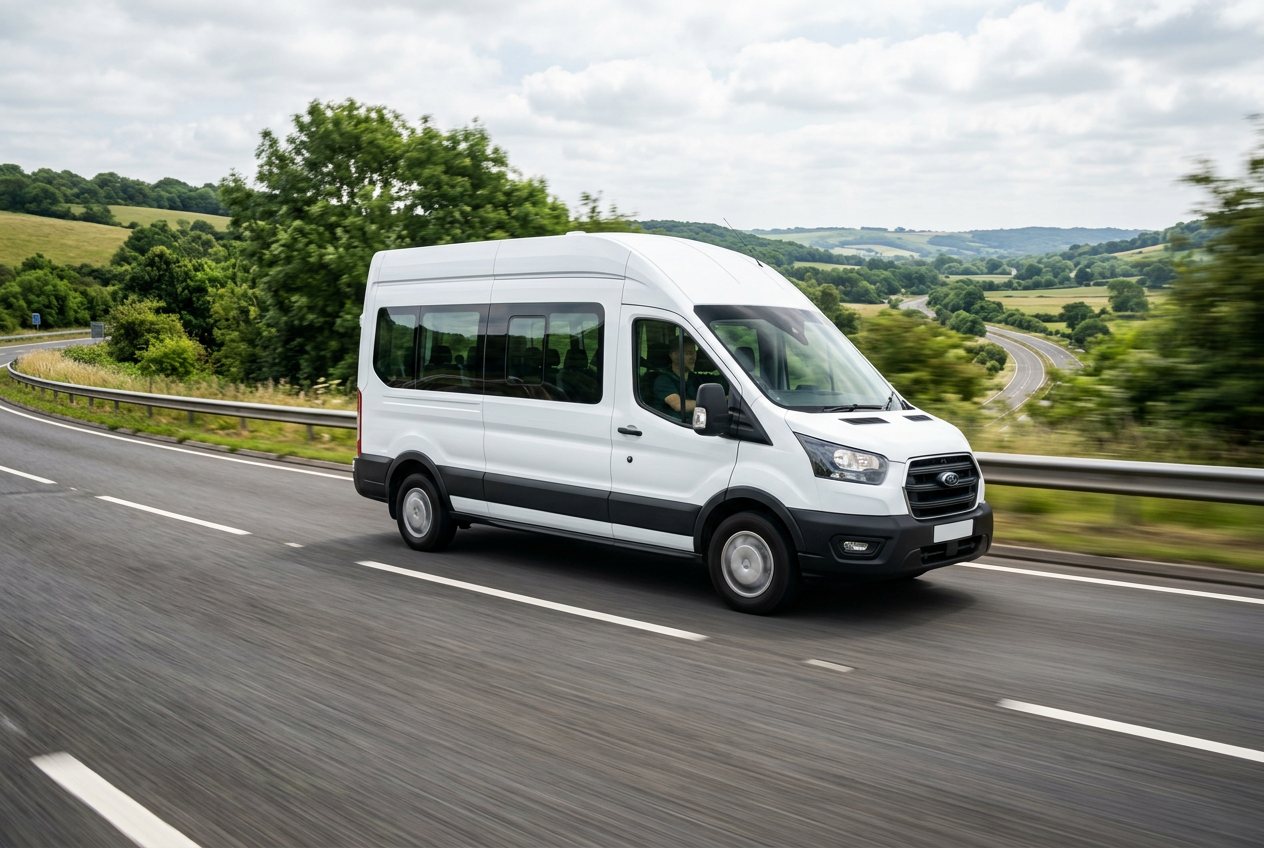
We’ve worked with commercial transportation businesses since 2012, helping owners compare coverage and find rates that match their fleet size and risk profile.
Conclusion
There’s no single answer to which structure is the better fit. The right choice depends on how many vehicles you run, how complex your operations are, and where your business is headed over the next few years.
As your fleet grows or your risk profile evolves, it’s a good idea to revisit your insurance structure rather than assuming the setup that worked at five vehicles still works at fifteen. A transportation insurance specialist can walk through your specific situation and help you decide which structure protects your business without adding cost or paperwork you don’t need.
FAQs
Can I switch from individual vehicle insurance to fleet insurance later as my business grows?
Yes. Many transportation businesses start with individual vehicle insurance and move to a combined policy once they cross an insurer’s minimum vehicle threshold, commonly three to five vehicles. Your broker can help time the switch to align with renewal dates and avoid a lapse in coverage.
Does fleet insurance allow different coverage limits for different vehicles?
In many cases, yes. These policies can often set different coverage limits or endorsements for individual vehicles within the same policy, particularly when vehicles serve different functions, such as a passenger van versus a box truck.
How often should transportation businesses review their commercial insurance policies?
Reviewing coverage annually, or any time you add vehicles, change routes, or take on new contracts, helps keep your policy aligned with your actual operations and reduces the chance of a coverage gap.
Does adding new drivers immediately affect fleet insurance premiums?
Adding a driver can affect your premium, though the impact depends on that driver’s record and how quickly your insurer processes the update. Reporting new drivers promptly helps avoid coverage disputes if a claim comes up before the update is finalized.
Are leased or financed commercial vehicles covered differently under fleet insurance?
Leased or financed vehicles typically need to meet the lienholder’s coverage requirements, which can include specific limits for physical damage coverage. In many cases, this structure can be set up to satisfy those requirements alongside your other coverage needs.
If you’re ready to compare options for your fleet, fill out our quote request form or call 541.223.5222. A member of our team will walk through your vehicle count, growth plans, and risk profile to help you find the structure that fits.