

Commercial livery insurance is a type of coverage designed specifically for for-hire transportation companies, and it’s one of the most critical tools available to protect them. This guide walks through what livery insurance is, who needs it, and the benefits it delivers to companies that are serious about protecting what they have built.
Key Takeaways
- Commercial livery insurance is for for-hire transportation businesses, not general commercial driving.
- It covers liability, vehicle damage, and passenger-related claims that standard auto policies typically exclude.
- Most states require livery coverage for any vehicle transporting passengers for payment.
- Fleet policies simplify coverage management as your business adds vehicles.
- Working with a transportation-focused agency helps ensure your policy fits your actual operation.
- The right coverage keeps your business compliant, operational, and protected from costly unexpected events.
Why Commercial Livery Insurance Is Essential for Growing Companies?
Standard commercial auto insurance is not written for vehicles that carry paying passengers. Livery insurance is. When a passenger is injured, when a customer files a claim, or when an accident occurs during an active dispatch, the nature of the exposure is different from a typical commercial vehicle incident.
For growing companies, this distinction compounds. As you add vehicles, hire drivers, and take on more contracts, your exposure grows with you. A policy that was adequate on day one might leave you overexposed on day 500. So, livery insurance is built to scale alongside a transportation business, covering the risks that come with operating at higher volume.
Benefits of Commercial Livery Insurance Explained
Financial Protection with Commercial Livery Insurance
A single serious incident can generate repair costs, medical bills, legal fees, and settlement payouts that stack up quickly. Commercial livery insurance is designed to absorb those costs rather than letting them fall on the business. For small and growing transportation companies operating on tight margins, that protection can mean the difference between recovering from an incident and being unable to continue operating.
Liability Coverage in Livery Insurance Policies
Liability is the foundation of every livery policy. It covers bodily injury and property damage claims arising from your vehicles and drivers. For businesses carrying passengers regularly, this coverage is just part of the cost of doing business. Passengers have legal rights, and claims from injuries sustained in a commercial vehicle can be substantial. Liability coverage allows the business to meet those obligations without exposing company assets to satisfy a judgment.
Protection for Drivers and Passengers
Drivers expect to be covered when something goes wrong. Passengers expect to arrive safely. Livery insurance supports both. Coverage for driver injuries, uninsured motorist protection, and medical payment options can be included in a livery policy depending on how it’s structured. For customers, knowing a company is properly insured builds confidence in the service and reinforces trust in the business.
Coverage for Multiple Vehicles and Fleets
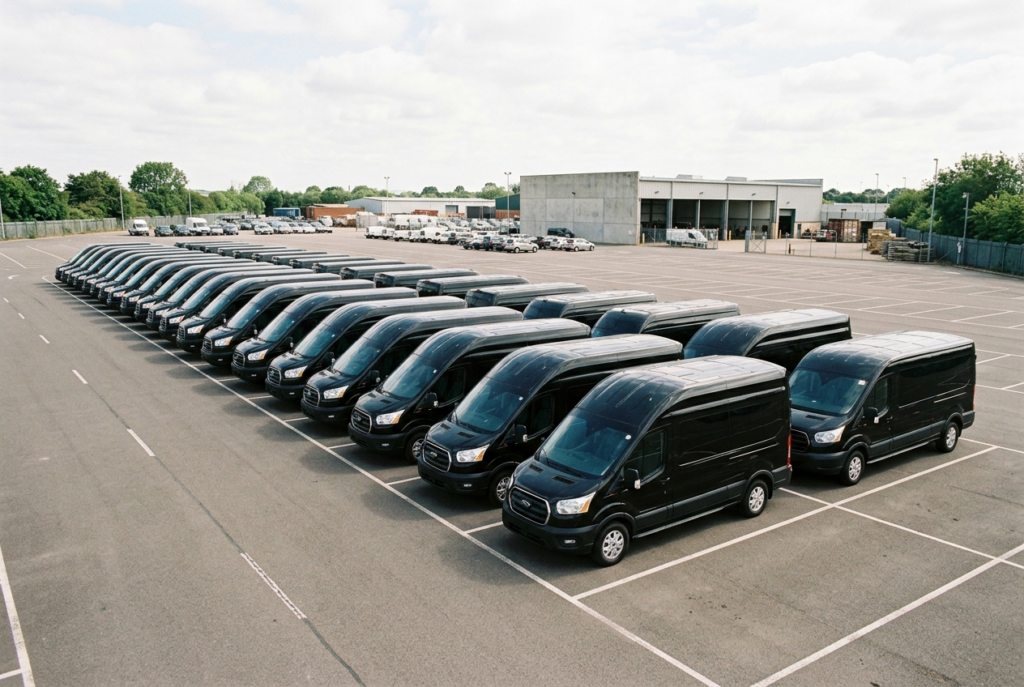
Managing insurance across a fleet is a different challenge than covering a single vehicle. Fleet coverage consolidates that management into one policy structure, simplifying administration and ensuring consistent protection across the entire operation. For growing livery businesses, adding vehicles to an existing fleet policy is much more efficient than starting the coverage process over for each new unit. Every vehicle needs to be properly covered before it goes on the road.
Compliance with Legal Requirements
Generally speaking, every state requires for-hire transportation businesses to carry livery insurance before operating legally. Requirement particulars vary by state and municipality, and in some cases by the specific licensing authority overseeing the operation. A livery policy written for for-hire transportation is designed to satisfy these requirements. Operating without proper coverage can result in fines, suspension of operating authority, and financial disaster if a claim is filed.
Business Continuity and Risk Management
An unexpected loss does not have to shut a business down if the right coverage is in place. Commercial livery insurance transfers the financial risk of those events to the insurer, protecting the business from absorbing them directly.
Flexible Livery Insurance Coverage Options
Not every transportation company operates the same way, so livery insurance coverage can be structured to reflect that. A taxi fleet in a major city has different risk factors than a private hire service in a smaller market. Coverage options, including general liability, physical damage, uninsured motorist protection, and medical payments, can be configured around the specific vehicles, routes, and passenger types involved. The goal is coverage that fits the actual business, not a generic policy applied across every operation.

How to Choose the Right Commercial Livery Insurance Policy
Start with a clear picture of how your business operates: how many vehicles you run, what types of passengers you carry, whether you work under specific contracts, and what regulatory requirements apply in your area. These factors shape what coverage you actually need.
When comparing options, look beyond the premium. A lower-cost policy with gaps in liability coverage or exclusions for for-hire use may create significant exposure. Understanding what each policy covers (and what it doesn’t) is the most important part of the process. Working with a specialist who understands the transportation industry helps ensure you are comparing equivalent levels of protection.
Common Mistakes to Avoid When Buying Livery Insurance
The worst mistake is selecting the cheapest policy without understanding what it covers. Low premiums are appealing, but a policy that doesn’t cover passenger liability, doesn’t meet state minimums, or excludes for-hire use leaves the business exposed when a claim occurs.
Another big mistake we see is not reviewing policy details carefully before purchase. Exclusions, coverage limits, and claim conditions are all in the policy language. Before signing, confirm the policy covers your specific operation, vehicles, and applicable regulatory requirements. If something is unclear, ask before purchasing, not after a claim is denied.
Oswald Taxi and Transportation Insurance Services (OTTIS): Trusted Livery Insurance Experts
Oswald Taxi and Transportation Insurance Services focuses exclusively on insurance for transportation businesses. For-hire transportation comes with unique risks and regulatory requirements that a general commercial agency may not be equipped to handle correctly.
OTTIS has experience with taxi operators, rideshare drivers, non-emergency medical transportation providers, and commercial fleets of various sizes. If you’re new to the space, understanding what livery insurance is and how much livery insurance costs are good places to start your education. For businesses ready to look at coverage options directly, OTTIS offers tailored commercial livery insurance built around the realities of transportation operations.
Conclusion
Commercial livery insurance delivers protection that standard auto policies aren’t designed to provide. The seven benefits covered here—financial protection, liability coverage, driver and passenger safety, fleet management, legal compliance, business continuity, and policy flexibility—reflect the real risks that come with running a for-hire transportation business.
As your operation grows, its risks grow with it. Proper livery coverage is not a one-time setup task but an ongoing part of running a transportation business. Working with a specialist like OTTIS gives you the best chance of getting it right from the start and keeping it right as the business evolves.

Frequently Asked Questions
What is commercial livery insurance?
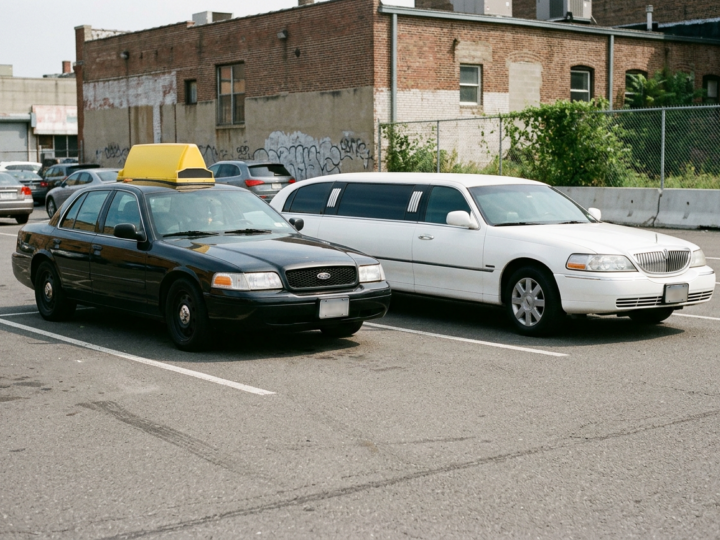
Commercial livery insurance is a specialized coverage type designed for vehicles used to transport passengers for payment. It addresses the liability, vehicle damage, and passenger-related risks specific to for-hire transportation operations, which are risks that standard commercial auto policies are generally not written to cover. Taxis, black cars, limousines, and private hire vehicles typically require this coverage to operate legally.
Is livery insurance required by law?
Yes. Any vehicle operating as a for-hire passenger carrier is generally required to carry livery insurance or coverage meeting an equivalent regulatory standard. Requirements vary by state and municipality. Operating without required coverage can result in fines, suspension of operating authority, and significant personal financial liability if a claim is filed.
How much does commercial livery insurance cost?
Livery insurance pricing depends on vehicle type, fleet size, passenger type, driver history, operating area, and coverage limits. New businesses and operators without an established track record typically pay higher premiums than experienced companies with clean claims histories. Accurate pricing requires submitting your specific business details to a qualified transportation insurance provider.