

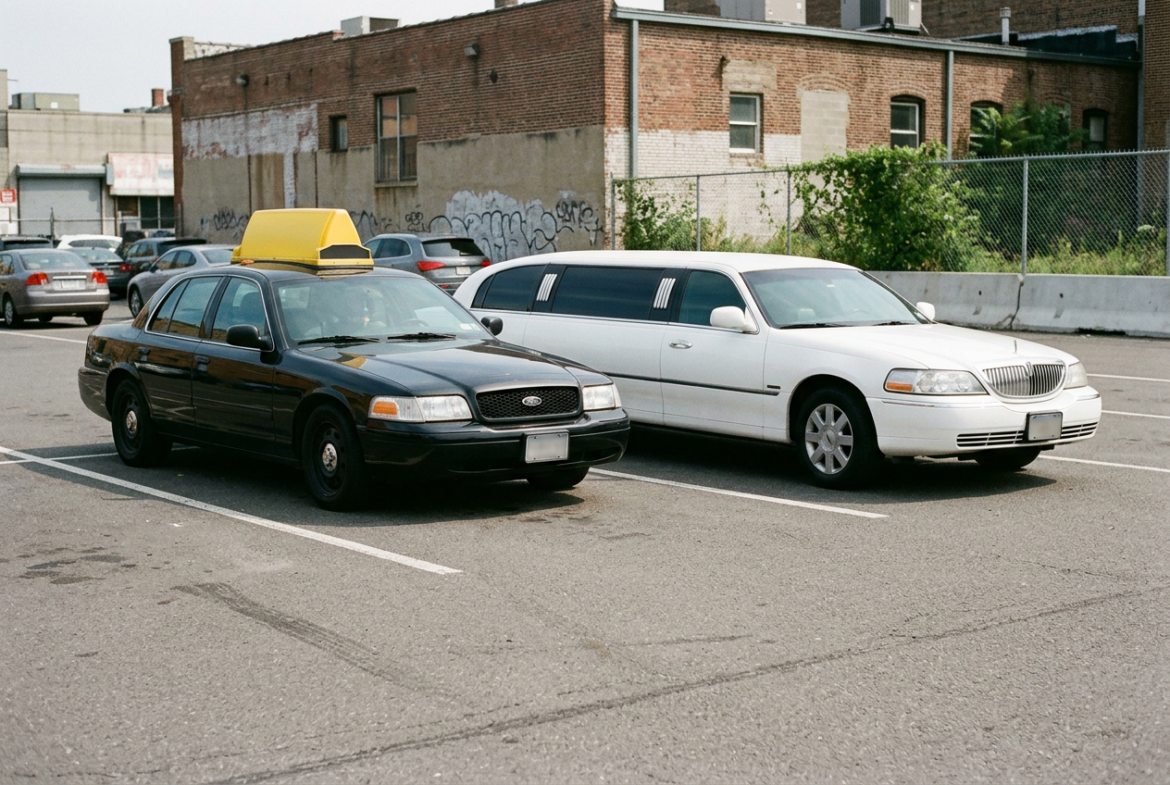
If you run a taxi company, a limo service, or a shuttle operation, one of the first questions you’ll ask is: how much is livery insurance going to cost me? It’s a fair question, and like many fair questions, the honest answer is that it depends. Pricing varies based on what you drive, where you operate, how many vehicles you have, and what your state or contracts require. This guide breaks it all down so you can go into the process informed.
What Is Livery Insurance? (Simple Explanation)
The livery insurance definition in plain terms: it’s commercial auto insurance designed for vehicles that are used to transport passengers for a fee. That includes taxis, limousines, charter buses, shuttle vans, and NEMT (non-emergency medical transportation) vehicles. Standard personal auto insurance won’t cover you when you’re carrying paying passengers, and neither will a standard commercial auto policy. Livery insurance is built specifically around the risks of for-hire transportation, including passenger liability, higher on-road exposure, and state regulatory requirements.
How Much Is Livery Insurance in 2026? (Average Costs)
How much does livery insurance cost in 2026? Most operators can expect to pay somewhere between $3,000 and $20,000 per vehicle annually, depending on service type and coverage level. The risk profile of a single taxi is very different from a 15-passenger shuttle, which is why the range is so wide.
Average Cost for Taxi Insurance
Taxi insurance typically runs $3,000–$8,000 per vehicle per year for owner-operators in mid-size markets. Urban areas with heavy traffic, city permitting requirements, and higher passenger volume push premiums toward the top of that range.
Average Cost for Limo Insurance
Limo operators generally pay more — often $5,000–$15,000 per vehicle annually. Higher vehicle values and elevated liability requirements drive the cost up.
Average Cost for Bus & Shuttle Insurance
Bus and shuttle insurance is often the most expensive category, ranging from $8,000 to $20,000 or more per vehicle per year. More passengers means more potential liability, and fleet size and vehicle capacity both factor into the final premium.

What Factors Affect Livery Insurance Costs?
No two policies are priced the same. Here are the main cost drivers.
Type of Vehicle
A sedan used for airport transfers carries a different risk profile than a 20-passenger bus. Vehicle value, age, and intended use all affect your premium.
Location & Operating Area
Drivers in dense urban markets face higher accident rates, more traffic, and stricter regulatory requirements — all of which push costs up. Rural and suburban operators typically see lower premiums.
Driving History
Your drivers’ records are one of the most direct cost drivers in any commercial insurance policy. A clean history means lower premiums. Violations or at-fault accidents can significantly increase what you pay — or even make coverage harder to obtain.
Coverage Limits
The more liability coverage you carry, the higher your premium. Operators working with airports, hospitals, or corporate accounts are often required to carry limits well above the state minimum.
Business Size (Fleet vs Single Vehicle)
Single-vehicle operators pay standard per-vehicle rates. Larger fleets may qualify for commercial fleet pricing, which can reduce the per-vehicle cost and spread risk across multiple vehicles.
Livery Insurance Requirements You Must Know
Understanding livery insurance requirements before you shop protects you from being underinsured — which can cost far more than a slightly higher premium.
Minimum Liability Coverage
For-hire transportation is often held to higher liability standards than standard commercial auto. State requirements typically start at $100,000 per occurrence and can reach $1,500,000 or more depending on vehicle type and passenger capacity.
Additional Required Coverages
Many states require uninsured/underinsured motorist coverage and passenger liability protection. Operators working under broker contracts — common in NEMT — may face coverage minimums above the state floor.
Industry-Specific Requirements
Taxi operators often face city-specific permit requirements. Limo companies may have state PUC requirements. NEMT operators navigate Medicaid broker standards that vary by state. A one-size policy rarely fits every operation.

What Does Livery Insurance Cover?
Liability Coverage
Injury and property damage to third parties. This is the core of any livery policy and the coverage most heavily regulated by state and local authorities.
Collision Coverage
Pays to repair or replace your vehicle after an accident, regardless of fault — critical for any business where the vehicle is the business.
Comprehensive Coverage
Handles non-collision losses: theft, fire, vandalism, and weather damage. Especially important for higher-value vehicles like limousines.
Passenger Coverage
Protects the people riding in your vehicle. Standard auto policies don’t include this. For any for-hire operator, it’s a non-negotiable part of a complete policy.
How to Lower Your Livery Insurance Costs
Maintain a Clean Driving Record
Fewer incidents means lower premiums over time. Driver screening and regular record reviews signal to insurers that you’re running a lower-risk operation.
Choose the Right Coverage
Paying for coverage you don’t need is just as costly as being underinsured. A policy built around your actual operation type will serve you better than a generic commercial package.
Bundle Policies
Carrying general liability, workers’ compensation, or other coverages alongside your auto policy? Bundling them through one broker can reduce your overall cost.
Work with a Specialized Agency
Generalist agents may not know the livery market well enough to find you competitive rates. Transportation-focused agencies have specialized carrier relationships that often translate directly into better pricing.

Common Mistakes to Avoid When Buying Livery Insurance
Choosing Minimum Coverage Only
Minimum coverage keeps your premium low upfront — but a single serious accident can expose you to losses that far exceed what you saved. In for-hire transportation, the liability exposure is real.
Choose the Right Coverage
One costly oversight operators make is failing to update their policy when their business changes. Adding vehicles, hiring new drivers, or expanding your service area without updating your coverage can leave dangerous gaps.
Ignoring Policy Exclusions
Every policy has exclusions — situations where coverage doesn’t apply. Know what your policy doesn’t cover before you hit the road.
Why Choose Oswald Taxi and Transportation Insurance Services (OTTIS)?
OTTIS — Oswald Taxi and Transportation Insurance Services — works exclusively in commercial transportation insurance. Unlike a general insurer, OTTIS understands the specific risks, regulatory requirements, and operational realities faced by taxi operators, limo companies, NEMT providers, and bus services.
With over 20 years of experience, the team works with carriers that actually write livery policies — not standard commercial auto products repurposed for for-hire use. Whether you’re insuring a single taxi or a growing fleet, OTTIS can help you find coverage that meets state requirements, satisfies contract minimums, and protects your business at a level that makes sense for your operation.
Final Thoughts
Livery insurance isn’t something to shop by price alone. Cost matters but so does what the policy actually covers, whether it meets your regulatory requirements, and whether the agent you’re working with understands your business.
Most operators pay between $3,000 and $20,000 per vehicle annually, but your actual number depends on the factors covered in this guide. The smartest move is getting an insurance quote from a provider who specializes in transportation — so your rate reflects your actual operation, not a generic risk profile.
Ready to find out what livery insurance will cost for your business? Request a quote from OTTIS and get expert guidance tailored to your fleet.