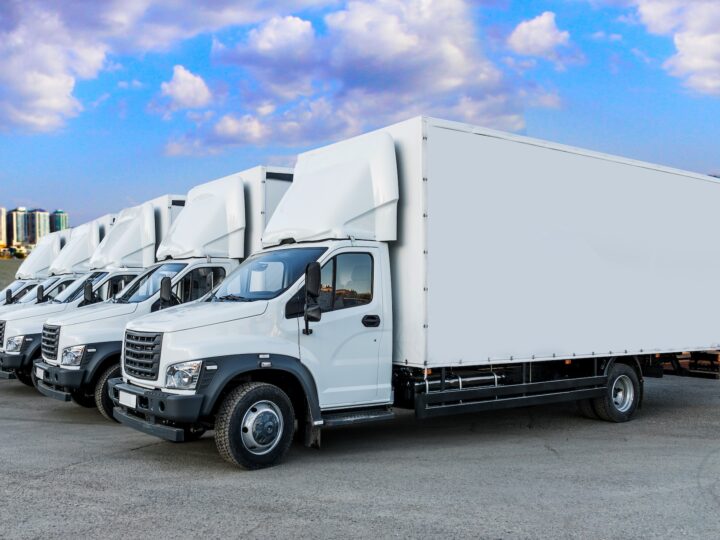

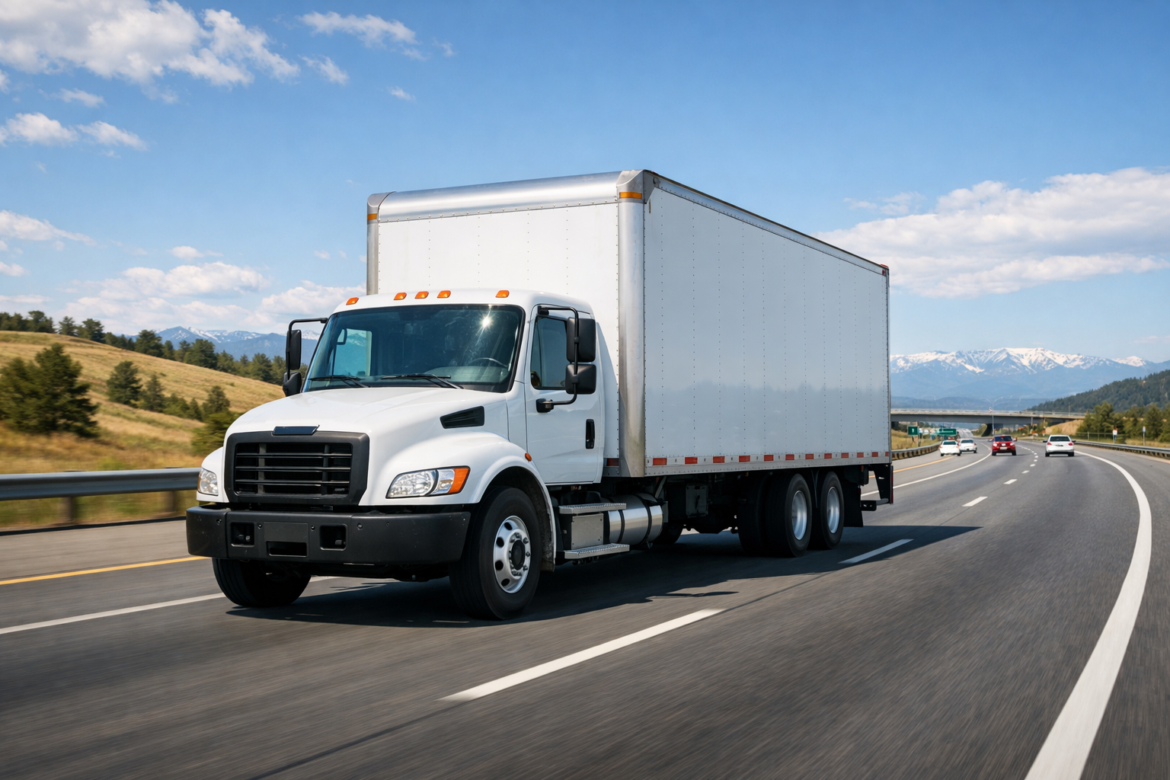
If you run a small delivery operation, a one-truck transport business, or a growing fleet of box trucks, insurance is not just paperwork. It is one of the main “stay in business” tools you have.
A box truck is on the road constantly, often in tight spaces and busy delivery zones. Even careful drivers can end up dealing with a rear-end collision, a damaged loading dock, a customer claiming their shipment arrived broken, or a third-party injury claim. One incident can trigger repairs, downtime, and legal costs at the same time.
That is where commercial box truck insurance comes in. It is built for businesses that use box trucks to earn income, not for personal errands or occasional use. The goal is straightforward: protect your business from the financial hit that can come from accidents, cargo issues, and liability exposure. It also helps you meet legal requirements and the insurance rules that can come with contracts, brokers, and commercial clients.
This guide walks through the basics in plain language. You’ll learn what coverage typically looks like, which types of businesses need it, what risks it helps manage, and how to think about selecting a policy that matches how you actually operate. If you want a quick starting point, OTTIS offers commercial box truck insurance built around real transportation business needs, with guidance to help you stay compliant without paying for coverage that does not fit.
What Is Commercial Box Truck Insurance?
Commercial box truck insurance is a type of business insurance built to protect companies that use a box truck to make deliveries, haul freight, move goods, or transport tools and equipment for work. In simple terms, it is coverage that helps pay for losses tied to business driving, such as liability claims, vehicle damage, and certain cargo-related issues, depending on the policy you choose.
This kind of coverage is commonly used by:
- Small transport companies running local or regional routes
- Delivery businesses doing last-mile or contracted deliveries
- Contractors who use a box truck to carry tools, materials, or products to job sites
Commercial insurance for a box truck also differs from personal auto insurance in an important way: it is designed for business use. Personal policies are generally intended for personal driving, not for hauling cargo for pay, running daily delivery routes, or operating under business contracts. If your truck is being used to generate income, a commercial auto insurance policy is typically the appropriate structure because it is rated and written around commercial risk.
If you want to think of it simply, personal insurance is built around commuting and errands. Commercial box truck insurance is built around operations, customers, and the real-world risks that come with running your business on the road.

Why Small Transport Companies Need Box Truck Insurance
Small transport companies depend on their box trucks to operate and generate income. When an accident, breakdown, or claim occurs, the financial impact can be immediate and significant. Commercial box truck insurance helps cover costs related to vehicle repairs, third-party damage, and liability claims, reducing the risk of paying large expenses out of pocket.
In many cases, box truck insurance is also a legal or contractual requirement. Most states require commercial vehicles to carry liability insurance, and many brokers, shippers, or clients will not work with a transport company unless proof of appropriate coverage is provided. Without the right insurance in place, a business may be unable to operate legally or secure new contracts.
Beyond financial and legal considerations, box truck insurance provides peace of mind for business owners. Knowing that your vehicle, your operations, and your responsibilities to others are properly insured allows you to focus on running your business instead of worrying about how a single incident could disrupt or shut down your operation.
What Types of Businesses Need Commercial Box Truck Insurance?
Commercial box truck insurance is not limited to large fleets or national carriers. Many small and local businesses rely on box trucks as a core part of their daily operations and face similar risks on the road.
Small delivery and freight companies often use box trucks for local or regional routes, last-mile delivery, or contract work with retailers and distributors. These businesses typically transport goods owned by clients, which increases liability exposure if cargo is damaged or delayed.
Moving companies and logistics providers also depend heavily on box trucks. Whether transporting household items, office furniture, or commercial inventory, these businesses face added risk from loading and unloading, tight delivery schedules, and handling customer property. Insurance helps protect against vehicle damage and claims related to the items being moved.
Contractors using box trucks for tools or products may not think of themselves as transportation businesses, but a box truck used to carry equipment, materials, or products for work is still considered a commercial vehicle. Plumbers, electricians, landscapers, and construction contractors often need commercial insurance to account for business use and the value of what they carry.
If a box truck is essential to completing jobs, serving customers, or generating revenue, commercial insurance is typically the appropriate coverage structure.
Common Risks Faced by Box Truck Businesses
Operating a box truck comes with a unique set of risks that can affect both the vehicle and the business behind it. Understanding these risks helps explain why commercial box truck insurance is so important for small transport companies.
Road accidents and vehicle damage are among the most common issues box truck operators face. Box trucks are larger and heavier than standard passenger vehicles, which can increase repair costs after a collision. Even minor accidents can lead to expensive body work, mechanical repairs, and downtime while the truck is off the road.
Cargo loss or damage during transport is another frequent risk. Goods can be damaged during loading, unloading, or transit due to shifting, accidents, theft, or weather exposure. When a business is responsible for transporting someone else’s property, damage or loss can lead to customer claims and financial responsibility.
Injury claims from drivers or third parties can also create serious exposure. Accidents may result in injuries to other drivers, pedestrians, or property owners. In some cases, injuries can occur during loading or unloading at delivery locations. These claims can involve medical costs, legal expenses, and potential lawsuits, all of which can be financially challenging without proper insurance coverage.
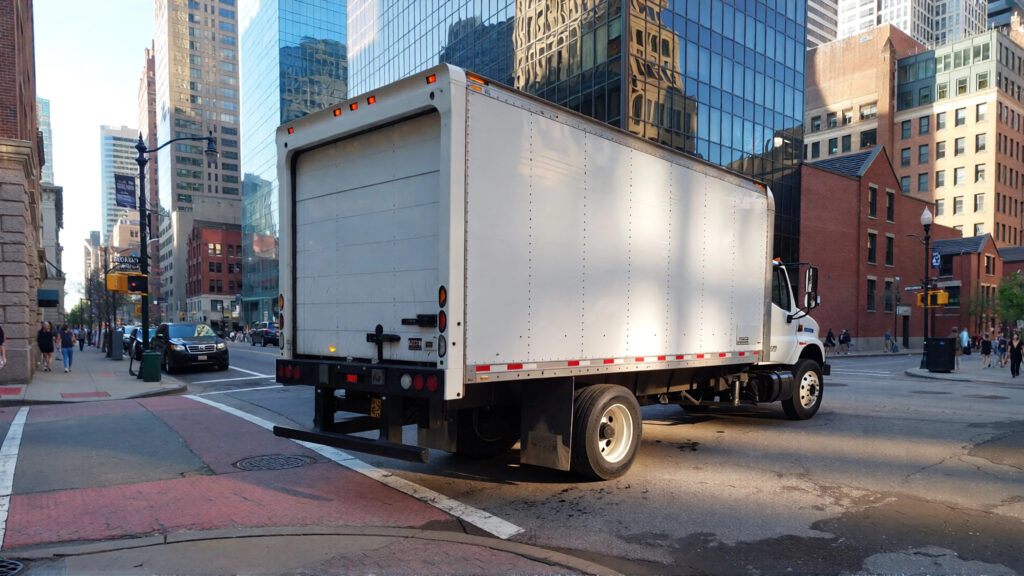
Types of Commercial Box Truck Insurance Coverage
Commercial box truck insurance is typically made up of several coverage types that work together to protect your business. Not every business needs every option, but understanding the basics helps you choose coverage that matches how your box truck is used.
Liability Insurance
Liability insurance covers damage or injury your box truck may cause to other people or their property. This can include damage to another vehicle, a building, or medical costs if someone is injured in an accident involving your truck.
For most businesses, liability insurance is required by law at the state level. Minimum limits vary by state, but operating a commercial vehicle without proper liability coverage can lead to fines, loss of operating authority, or suspension of your ability to do business. Liability coverage is the foundation of most commercial box truck insurance policies.
Physical Damage Coverage
Physical damage coverage helps pay for repairs or replacement of your box truck if it is damaged. This coverage is typically split into two parts: collision and non-collision damage.
Collision coverage applies when your truck is damaged in an accident with another vehicle or object. Non-collision coverage, often called comprehensive coverage, applies to events such as theft, vandalism, fire, or weather-related damage. For businesses that finance or lease their box truck, physical damage coverage is often required by the lender.
Cargo Insurance
Cargo insurance protects the goods being transported in your box truck. This coverage can help pay for loss or damage to cargo caused by accidents, theft, or other covered events during transit.
Cargo insurance is especially important for delivery and freight businesses that haul customer-owned goods. Many clients and brokers require proof of cargo coverage before awarding contracts, making it both a risk management tool and a business requirement.
Non-Trucking Liability (If Applicable)
Non-trucking liability insurance applies when a box truck is being used for non-work purposes. This coverage is most relevant for owner-operators who may occasionally use their truck outside of active business operations.
This type of coverage helps fill gaps when the truck is not under dispatch or actively performing work. It is not required for every business, but it can be useful depending on how the vehicle is used and how the policy is structured.
How Much Does Commercial Box Truck Insurance Cost?
The cost of commercial box truck insurance varies from one business to another because it is based on risk and coverage needs. There is no single price that applies to every company, even if the trucks look similar on the surface.
Insurance providers look at several factors when determining cost. These often include how the box truck is used, the type of cargo being transported, how often and how far the truck is driven, and the driving history of the operators. Coverage choices also matter. A policy with higher liability limits or added cargo protection will generally cost more than a basic policy with minimal coverage.
Because every business operates differently, commercial box truck insurance is typically priced on a case-by-case basis. The goal is to balance cost with protection, making sure the policy covers the risks your business actually faces without paying for coverage that does not apply to your operations.
Factors That Affect Box Truck Insurance Rates
Several practical factors influence how commercial box truck insurance is priced. Understanding these elements can help business owners see why rates differ and what insurers consider when evaluating risk.
Driver experience and driving history play a major role. Drivers with clean records and commercial driving experience are generally viewed as lower risk. A history of accidents, violations, or claims can increase insurance costs because it suggests a higher likelihood of future losses.
The type and value of the box truck also matter. Larger or newer trucks typically cost more to repair or replace, which can affect premiums. Modifications, specialized equipment, or higher vehicle values may require additional coverage and can influence pricing as well.
Distance driven and type of cargo are important considerations. Trucks that operate long distances or spend more time on the road are exposed to more risk. The cargo being transported matters too. High-value, fragile, or theft-prone goods may increase insurance costs because they raise the potential for claims.
Box Truck Insurance Requirements You Should Know
Box truck insurance requirements are shaped by a mix of state laws, federal rules, and business obligations. Knowing what applies to your operation helps you avoid compliance issues that can interrupt or shut down your business.
Basic state and federal insurance requirements usually start with liability insurance. Most states require commercial vehicles, including box trucks, to carry a minimum amount of liability coverage to operate legally. If a business operates across state lines or transports certain types of goods, federal requirements may also apply. These rules are designed to ensure that businesses can cover damages or injuries caused by their vehicles.
Insurance needed for contracts or brokers is another common requirement. Many shippers, freight brokers, and commercial clients require proof of specific insurance coverage before awarding work. This may include higher liability limits or cargo insurance, even if those coverages are not strictly required by law. Without the right insurance in place, a business may be unable to secure or maintain contracts.
Staying compliant is essential for long-term stability. Operating without required insurance can result in fines, loss of operating authority, canceled contracts, or denied claims. Maintaining proper coverage helps protect your business legally and financially while keeping operations running without disruption.
Commercial Insurance for Box Truck vs Personal Insurance
Personal auto insurance and commercial box truck insurance are built for very different purposes. While personal policies work for everyday driving, they are not designed to handle the risks that come with business use. For companies that rely on a box truck to operate, commercial coverage is typically necessary to avoid serious gaps in protection.
| Coverage Area | Personal Auto Insurance | Commercial Box Truck Insurance |
| Intended Use | Personal driving such as commuting and errands | Business use including deliveries, hauling goods, and contract work |
| Business Activity | Generally excludes business-related driving | Designed specifically for income-generating operations |
| Liability Protection | Lower limits and limited scope | Higher limits tailored to commercial risk |
| Cargo Coverage | Not included | Available to protect goods being transported |
| Claim Handling | Claims may be denied if the vehicle is used for work | Claims are evaluated based on commercial use |
| Legal and Contract Compliance | Often does not meet commercial requirements | Helps meet state, federal, and contract requirements |
Personal insurance is often not enough because it does not account for the increased exposure that comes with commercial driving. If a box truck insured under a personal policy is involved in an accident while making a delivery or performing work, the insurer may deny the claim due to business use.
Commercial box truck insurance is structured to cover these situations. It recognizes how the truck is used, the responsibility involved in transporting goods, and the potential liability a business faces. For most small transport companies, proper commercial coverage is a key part of protecting the business and staying compliant.
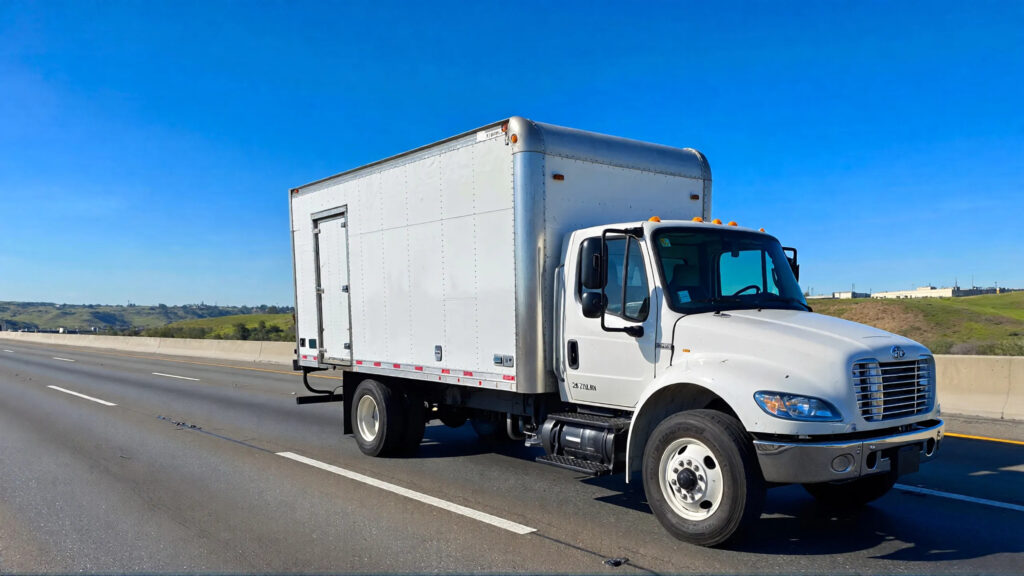
How to Choose the Right Box Truck Insurance Policy
Choosing the right box truck insurance policy starts with a clear understanding of how your business operates. Insurance works best when it reflects real-world use, not assumptions or generic coverage options.
Understand your business needs first. Begin by looking at how your box truck is used day to day. Consider what you transport, how often the truck is on the road, whether you operate locally or across state lines, and who is driving the vehicle. A business making local deliveries faces different risks than one hauling freight long distances or transporting customer-owned goods.
Choose coverage based on risk and operations. Coverage should match your exposure. Liability limits should account for the potential cost of accidents involving a commercial vehicle. Physical damage coverage should reflect the value of your truck and how critical it is to keep it running. Cargo insurance may be essential if you are responsible for items that belong to clients. The goal is not maximum coverage, but appropriate coverage for the risks your business actually faces.
Work with a specialized transportation insurance agency. Box truck insurance can be more complex than standard vehicle insurance. Agencies that focus on transportation understand industry-specific requirements, common contract obligations, and compliance issues. Working with a specialist can help ensure your policy is structured correctly and reduce the chance of coverage gaps that only become visible after a claim occurs.
How Oswald Taxi and Transportation Insurance Services (OTTIS) Helps
Oswald Taxi and Transportation Insurance Services focuses specifically on insurance for transportation-based businesses. Rather than offering one-size-fits-all policies, OTTIS works with companies that operate vehicles for hire, delivery, and commercial transport, including businesses that rely on box trucks to run day-to-day operations.
OTTIS has experience working with commercial transportation businesses of many sizes, from single-truck owner-operators to growing fleets. That experience matters because transportation insurance comes with unique risks, regulatory requirements, and contract expectations that are not always addressed by general business insurance policies. Understanding how box trucks are used, what clients expect, and how claims typically arise helps ensure coverage is structured correctly from the start.
A key part of OTTIS’s approach is helping businesses secure coverage that fits their operations while staying compliant with state, federal, and contract-related insurance requirements. Policies are tailored based on factors such as vehicle use, cargo type, and operating area, with guidance provided to help business owners avoid gaps in coverage. This support helps small transport companies protect their operations and stay focused on running their business rather than navigating insurance rules on their own.
Final Thoughts
Commercial box truck insurance plays a critical role in protecting small transport companies from the risks that come with operating on the road every day. Accidents, vehicle damage, cargo issues, and liability claims can create sudden financial pressure, and the right coverage helps prevent those situations from turning into long-term setbacks.
Beyond protection, proper insurance supports compliance with state laws, federal rules, and contract requirements. Maintaining appropriate coverage allows businesses to operate legally, secure work with brokers or clients, and avoid disruptions caused by denied claims or regulatory issues.
For business owners, the goal is stability. Choosing commercial box truck insurance that aligns with your operations helps safeguard your vehicle, your income, and your ability to keep serving customers. Taking the time to understand your coverage options and make informed insurance decisions is an important step toward building a more resilient and reliable transportation business.